
I created a FREE to join Facebook group for accounting professionals who want to launch and grow there firm serving the cannabis niche.
In this group I share:
- Daily tips on what's working for me right now in my firm (I'm talking marketing strategies, pricing my services, industry trends, mindset principles, growth habits and more).
- Behind the scenes video lessons of what I'm learning in the industry everyday (lots of things I don't share publicly).
- Ways to collaborate, share resources, and also learn from other active members of the group who are actively working with cannabis clients.
I've been preparing to mentor a much bigger audience in 2023 and have A LOT of knowledge to share around launching and growing your cannabis accounting practice.
Join Now
Legalizing Cannabis and Business Expansion: What It Means for Psychedelics and Emerging Industries
With Congress recently proposing the most comprehensive decriminalization bill to date, legalizing cannabis and business expansion is no longer a distant dream—it’s rapidly becoming a reality. If passed, this legislation would remove cannabis from the list of federally controlled substances, a move that could unlock massive opportunities across multiple industries and completely transform the regulatory and business landscape.
While cannabis continues to dominate public attention and investment headlines, another promising sector is quietly gaining momentum: psychedelics. Similar to the early cannabis movement, psychedelics are transitioning from cultural taboo to potential medical marvels. Research increasingly supports their effectiveness in treating mental health conditions such as PTSD, anxiety, and depression—especially in patients resistant to traditional pharmaceutical options.
Despite the promising science, psychedelics, like cannabis, are still largely viewed through a legislative lens rather than a healthcare one. Currently, most psychedelic substances remain illegal under federal law, even though state and local jurisdictions are beginning to explore decriminalization and medical use. As advocates push for policy change, many are hoping that the success and framework of cannabis legalization can act as a blueprint for broader reform.
The conversation around legalizing cannabis and business expansion has opened the door for more serious discussions about how other Schedule I substances, like psilocybin and MDMA, could be regulated and commercialized. If these substances follow a similar trajectory, we can expect a range of ancillary businesses—ranging from wellness clinics to retreat centers—to emerge in tandem with therapeutic and recreational legalization.
That said, there are significant challenges ahead. One major consideration is how these industries will be regulated. Will psychedelic companies be governed under similar frameworks as cannabis businesses? If so, stakeholders—from operators to accountants—must prepare for a tightly controlled environment, complete with licensing hurdles, banking restrictions, and unique tax obligations.
These questions and more will be addressed in our upcoming session on Tuesday, August 9th at 10 AM PT, where we’ll be joined by renowned industry expert Amanda Reiman. Amanda brings a wealth of experience in cannabis policy, research, and education, and will provide a comprehensive overview of how legalization trends are shaping the future of psychedelics and related businesses.
During this session, Amanda will cover:
-
The current legal landscape for both cannabis and psychedelics
-
How evolving consumer behaviors will shape each market differently
-
The implications of medicalization and what it means for public health policy
-
Cannabis and psychedelic tourism as a growing economic opportunity
-
Potential regulatory models, along with their associated risks and benefits
-
The evolving role of accounting, compliance, and legal professionals in these sectors
Excise Tax on Sales Standard
Understanding how legalizing cannabis and business expansion impacts the broader market is critical for entrepreneurs, investors, service providers, and policymakers. As history has shown, the first wave of legalization creates a flurry of opportunities, but only those who are informed and prepared can take full advantage of them.
Moreover, the expansion of legal cannabis has already introduced thousands of professionals to new career paths in compliance, supply chain management, cultivation, retail, and finance. The same could happen in the psychedelics space—especially if federal policy continues to trend toward harm reduction and decriminalization.
For professionals working in or adjacent to these industries, it’s time to think ahead. How will your role evolve as the market does? What services will businesses need as regulations change? And how can you position yourself as a trusted resource in a high-growth, high-compliance space?
Join us to learn how to navigate this shifting terrain and discover how the path to legalizing cannabis and business expansion and rate excise tax on sales, could very well be the stepping stone for psychedelic business growth and broader acceptance.
This Event Has Passed – Watch the Replay
The replay of this exclusive training is now available inside our Members-Only Vault. Get access to this session and dozens of other exclusive cannabis accounting & tax trainings.
*First 30 days for $1, then $97/month. Cancel anytime.
Related Resources for 280E Tax & Cannabis Accounting:
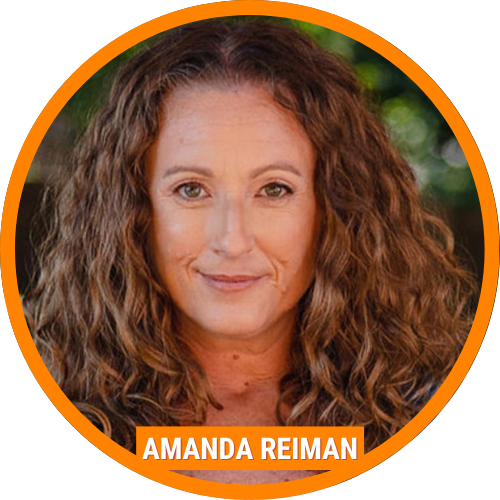
Amanda Reiman
founder of Personal Plants
Amanda Reiman, the founder of Personal Plants, is an activist, professor, and researcher with twenty years of experience studying the relationship between people and plants. Her experience as the Manager of Marijuana Law and Policy for the Drug Policy Alliance enabled her to make real change in how the world treats medicinal plants like cannabis. Amanda was also the first chairwoman of the Medical Cannabis Commission for the City of Berkeley and taught classes on drug use and policy at UC Berkeley for over a decade. She strives to empower, enlighten and guide others to take their healing and creativity journey into their own hands by spreading knowledge and access to information and inspiration.


