Get Daily Tips, Behind-the-Scenes Video Lessons & More! Join the 420 FB Group!

I created a FREE to join Facebook group for accounting professionals who want to launch and grow there firm serving the cannabis niche.
In this group I share:
- Daily tips on what's working for me right now in my firm (I'm talking marketing strategies, pricing my services, industry trends, mindset principles, growth habits and more).
- Behind the scenes video lessons of what I'm learning in the industry everyday (lots of things I don't share publicly).
- Ways to collaborate, share resources, and also learn from other active members of the group who are actively working with cannabis clients.
I've been preparing to mentor a much bigger audience in 2023 and have A LOT of knowledge to share around launching and growing your cannabis accounting practice.
Join Now
If you work with mid-market operators in complex, regulated industries, you’ve likely been asked the same question in a dozen different ways: How do I exit without overpaying taxes, losing control of culture, or disrupting the team that got us here?
For many closely held businesses, an Employee Stock Ownership Plan (ESOP) can be the most tax-efficient path to succession, one that rewards owners, empowers employees, and preserves enterprise value.
On January 13, 2026 at 10:00 AM PT / 1:00 PM ET, join Richard B. “Rick” Weed, CFA, Senior Vice President of Client Development at SES ESOP Strategies, for a practical, accounting-first walkthrough of ESOP transactions. Rick brings two decades in investment and portfolio management to the table, translating complex mechanics into actionable insights for accountants, controllers, and advisors who need to model scenarios, prepare financial statements, and guide clients across the finish line.
Why this webinar and why now?
As rates, valuations, and tax policy continue to evolve, accounting teams are being asked to present options that minimize taxes while maximizing flexibility. ESOPs can allow selling shareholders to transition ownership over time, unlock powerful corporate tax deductions, and, in some cases, enable significant capital gains deferral through IRC §1042.
At the same time, ESOPs place new demands on financial reporting, valuation, and administration. If you advise owners on exit planning or you’re accountable for the numbers post-close, you need a clear view of both benefits and obligations.
What we’ll cover (and how it helps you):
- Tax Advantages for C & S Corps: Learn how deductions can reduce taxable income for C corps, and how 100% ESOP-owned S corps may operate federally income tax-free, plus practical caveats and coordination with state and industry-specific rules.
- §1042 Capital Gains Deferral: We’ll discuss how to model the after-tax proceeds and long-term wealth planning implications for founders.
- Reporting & Valuation: Understand balance sheet treatment, deferred compensation and redemption liabilities, annual valuations, and audit-ready documentation. You’ll learn what valuation providers and trustees expect—and how to be ready.
- Ideal Candidates & Alternatives: Not every company is a fit. We’ll profile strong ESOP candidates (e.g., stable cash flows, leadership bench, cultural alignment) and compare ESOPs to third-party sales, insider transfers, and gifting strategies.
Who should attend?
- Practitioners and fractional CFOs advising closely held or middle-market clients
- Corporate accounting and finance leaders evaluating exit or liquidity options
- Valuation, tax, and transaction professionals who support M&A or succession planning
You’ll leave with the vocabulary to speak confidently with owners, lenders, trustees, and valuation firms. Whether you’re in the early “is an ESOP even feasible?” stage or preparing for year-one post-close reporting, this session will help you reduce surprises and position your clients for a smooth, tax-efficient transition.
Reserve your seat now for “Unlocking Tax-Efficient Exits: How ESOPs Create Value for Owners, Employees, and Advisors” on January 13, 2026. Your clients are asking for options—bring them one with substance.
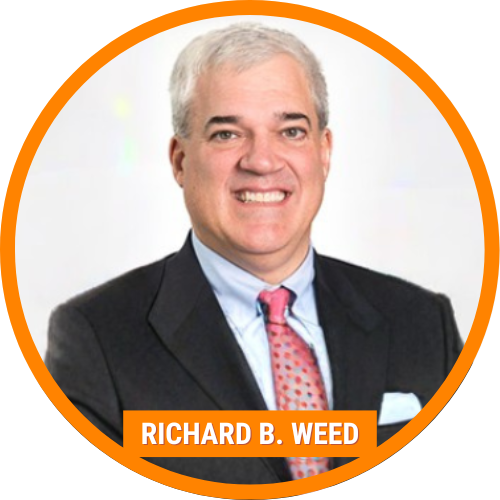
RICHARD B. WEED, CFA
SVP, CLIENT DEVELOPMENT AT SES ESOP STRATEGIES
Rick assists companies, owners and other stakeholders on business transition strategies, with a particular focus on ESOP ownership transactions. He has significant experience in portfolio management, asset management, investment growth plans and risk and liquidity due diligence that provide clients with unique perspectives on the opportunities and challenges of implementing employee ownership.
Rick has more than two decades of experience in investment management. Prior to joining SES ESOP Strategies, Rick was a Team Lead at Mackenzie, one of Canada’s largest investment firms. He has also held various leadership and executive roles at hedge fund and investment advisory firms where he oversaw the development and growth of a range of portfolio and investment funds.
Education
- MIT, Sloan School of Management, M.S., Management, with concentrations in Finance, Accounting and Operations Management
- Northeastern University, M.S., Chemical Engineering, with specialization in computer simulation
- Worcester Polytechnic Institute, B.S., Chemical Engineering
Memberships
- Marblehead Current, Board of Directors, Treasurer
- CFA Institute
- Boston Security Analysts Society
- Chicago Quantitative Alliance


